Tech Tools to Measure Sleep and Tips for Better Sleep
Wellness & Yoga with Christine | JUL 17, 2021
sleep hygiene
better sleep
sleep tools
sleep tips
Tech Tools to Measure Sleep and Tips for Better Sleep
Wellness & Yoga with Christine | JUL 17, 2021
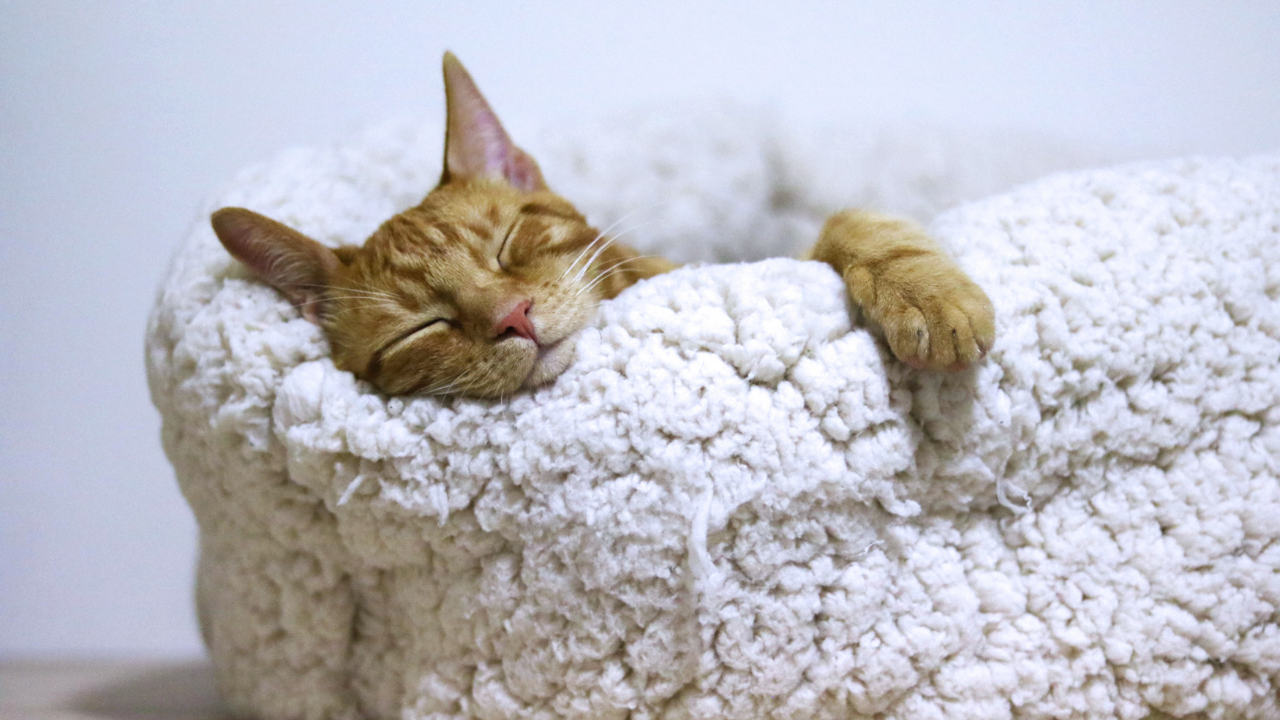
"Honey, how did you sleep?"
"I will tell you in a sec. Let me check my Fitbit."
This conversation happens frequently between my fiance and me. It initially drove me crazy when he gave me that response, but it eventually became a little joke between us.
Why would anyone need to check a device to see how well he or she slept? Don't we know the answer by simply noticing how we feel?
I guess not, judging by how much money is increasingly being spent on gadgets that measure our sleep. The sleep tech world is booming!
According to Crunchbase, which tracks funding of startups, the funding of sleep-focused startups globally has nearly doubled in the past two years, from $302 million in 2018 to $611 million in 2020!
Most fitness bands and smartwatches will track your basic sleep patterns. To get more detailed and possibly more accurate measurements, you could try the new dedicated sleep trackers being developed by startups. The most popular ones currently on the market include Biostrap, SleepOn Go2Sleep Tracker, and Oura Ring. There are lots of others. If you don't like wearing a device while you sleep, check out Withings Sleep, which is a sleep tracking pad.
Most sleep trackers measure your heart rate and respiration rate, which are closely linked to the various sleep stages. Many also use a small built-in movement-detecting device called an accelerometer to determine how much you move while you're sleeping. They use that data to analyze your sleep time and quality. None of them measure your brain activity and eye movement, which is only measured in formal medical tests.
Aside from wearable sleep trackers and mattress pads, innovation is also starting to move into the mattress design itself. Eight Sleep has developed a heating and cooling mattress with a "cult" following among athletes and tech CEOs. If you need to ask how much it costs, then it probably isn't for you. The fact that their website offers a financing option is a big clue 🤓. And Bryte is developing a bed that is supposedly connected to Artificial Intelligence and powered by robotics.
While it might be fun to measure the quality and quantity of your sleep using fancy tech, it's more important that you practice good sleep hygiene practices. Those are (non-tech) sleep habits to help you fall asleep and stay asleep. After all, the goal is to sleep better so you reap all the health and well-being benefits that sleep provide, not to know how well (or badly) you slept. Right?
Research is very clear on this: most adults need 7-8 hours of quality sleep each and every night to feel well and thrive!
If you don't get enough sleep, you become stressed, your mood suffers, it messes with your immune system and your digestive system so you end up gaining weight, and you'll spend all day just dragging along instead of thriving. And we all want to thrive, don't we?
Earlier this week, I went live on my Facebook Page and YouTube Channel to share with you my 5 tips for better sleep. These tips are all low-tech and simple, but they work! I hope you find them helpful.
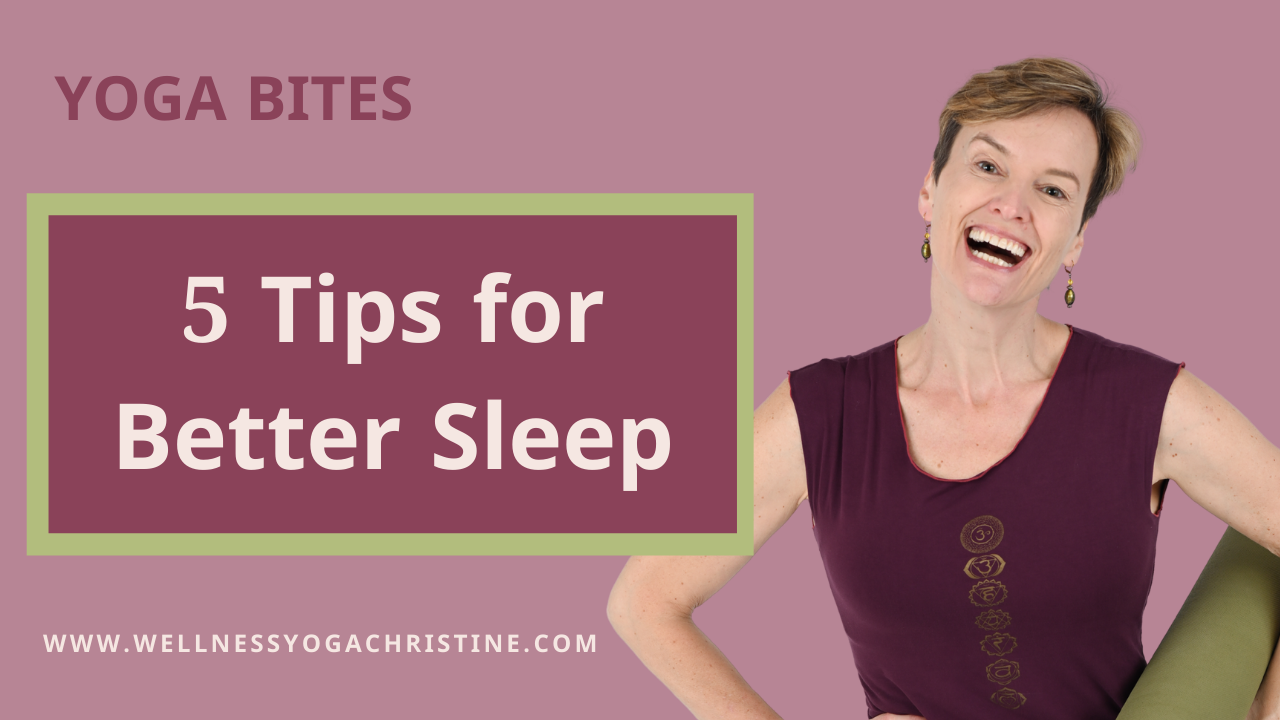
What's your favorite tip for better sleep? Drop me a note.
My friend Lennie shared with me last week that she counts down from 100 when she has trouble falling asleep. She rarely makes it to 1 before falling asleep. And on the rare occasions that she's still awake after counting down from 100 to 1, she starts again at 100 and continuously subtracts the number 7. That usually does the trick for her since it distracts her busy mind.
Sleep well! Schlaf gut! Dors bien!
Best,
Christine
P.S. Sign up for my weekly wellness newsletter. Instantly receive my free Yoga Bites video series, where you discover effective yoga tools to regain your energy in just 5 minutes so can do the things you love!
Wellness & Yoga with Christine | JUL 17, 2021
Share this blog post

 OfferingTree