Don’t Stress About Stress Eating: It’s Natural
Wellness & Yoga with Christine | JUN 24, 2023
stress eating
mind-body connection
stress reduction
Don’t Stress About Stress Eating: It’s Natural
Wellness & Yoga with Christine | JUN 24, 2023
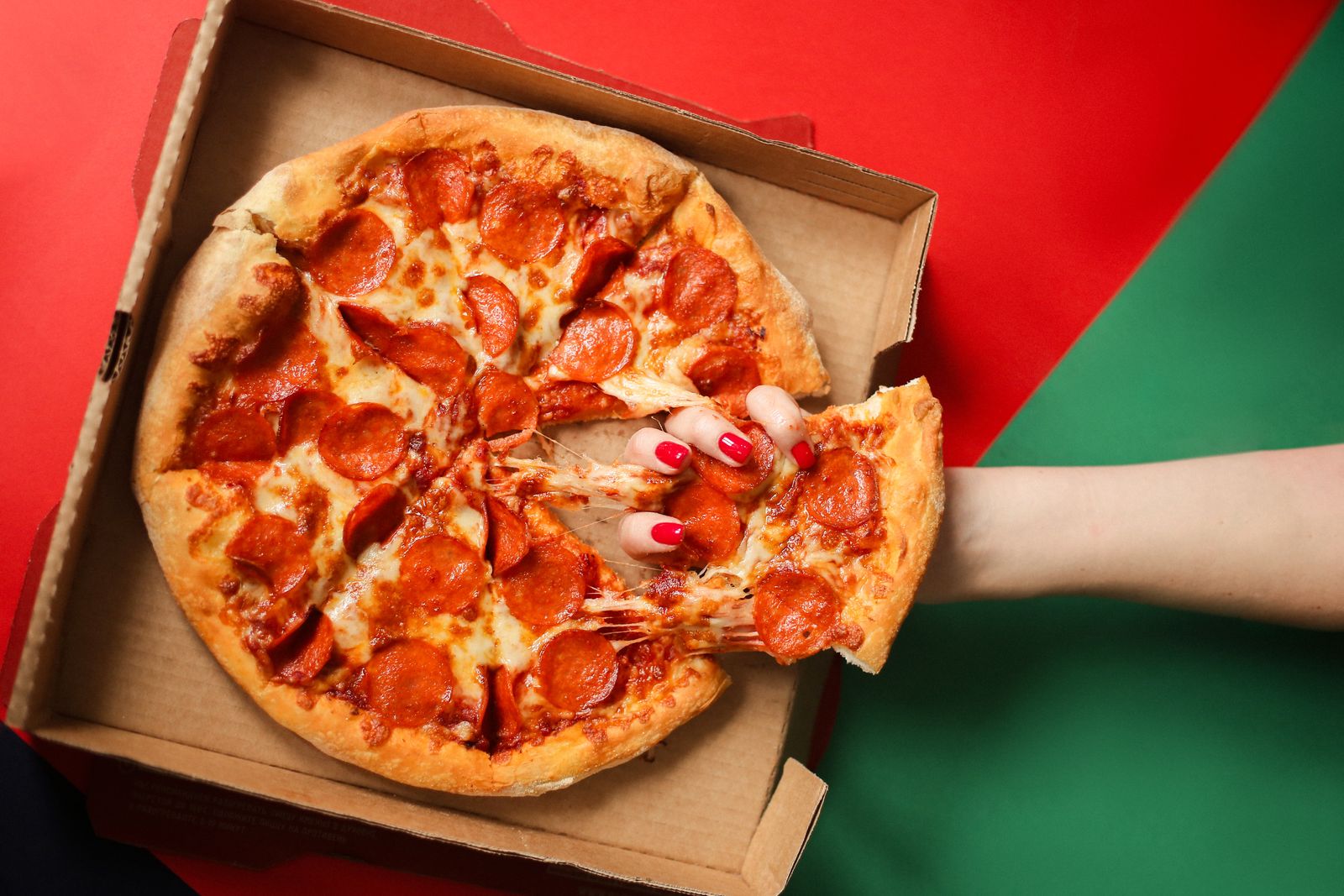
When stressed, some people might reach for that extra slice of pizza or that deliciously gooey chocolate chip cookie. My favorite "stress-management food" is Nutella, by the spoonful right out of the jar.
Well, guess what? Stress-eating doesn’t mean we are fatally flawed or lack all willpower.
A new study, published on June 8 in the journal Neuron, sheds light on why we (or at least research mice) tend to crave foods rich in sugar and fat during stressful times. It turns out it’s not about our lack of willpower. It’s actually about how our brains are wired.
The research shows that there’s a particular group of brain cells, called Npy1r neurons, in the lateral habenula (LHb) that make the mice want to eat more when stressed. Mice are pretty good analogs for the human nervous system, so the thinking is that when we humans are under stress and eating high-fat or high-sugar foods, a substance called NPY increases in our brains. This substance affects the Npy1r neurons, making us feel less full and satisfied, so we eat more.
In simple terms, when stressed, our brain tricks us into eating foods high in fat and sugar — and lots of them — to make us feel better. There’s other evidence for this connection, and food manufacturers have been on to it for decades, creating increasingly addictive, highly processed, fatty, and sugary foods that now make up more than half the calories in U.S. diets.
When we are stressed, our bodies store more fat than when we are relaxed, previous studies have shown. Stress can disturb our body’s normal balance, and this can cause two systems in our body, the hypothalamic-pituitary-adrenal (HPA) axis and the sympathetic nervous system, to become more active. Hormones produced by our adrenal glands, which are part of the HPA axis, are strongly linked to gaining fat around the belly.
To recap: When we are consistently stressed, research has shown that:
As you can imagine, this combination can easily lead to weight gain.
So what can we do about it to stay at or get to a healthy weight?
“Stress is the trash of modern life — we all generate it, but if you don’t dispose of it properly, it will pile up and overtake your life.” — Danzae Pace
There are lots of ways to lower stress, including the typical ones you probably already know about:
Today’s society is obsessed with being busy and working hard. That constant striving to be busy often leads to stress. So let me highlight some ways to free up your busy schedule. I encourage you to try them out and find what works for you.
It’s hard, I know. We have obligations and feel like people need us. And we have a hard time saying “no.” We feel guilty saying “no.”
From now on, I want you to pause for a moment before you respond to any project request or invitation to join an event. Pause and notice how this request feels in your body. Is your body saying yes/I want to do this or no/I don’t want to do this? Trust what your body is telling you—it’s a wise guide, but we’ve forgotten how to listen.
If your body is saying “no” to the request, don’t be afraid to speak those words and decline politely. It will free up space to say “yes” to activities more aligned with your inner needs.
What would asking other people to take over specific tasks feel like? How would it feel to ask a friend or family member for help? How would it feel to relinquish some of your responsibilities and trust someone else to do them?
Sometimes, asking for help can foster a stronger connection with friends and family members. They will feel great for being able to support you and show their love for you by helping you out.
Science has shown multitasking doesn’t work, so focus on one task at a time.
And instead of trying to accomplish a never-ending list of tasks on any given day, it helps to start each day with a to-do list of just 2–3 things you’ve prioritized. Focus only on those few things, one at a time. This way, you will feel a sense of achievement and ease at the end of the day when all your essential tasks are completed. That is so much better than feeling overwhelmed and stressed by a never-ending list of tasks and feeling like you failed.
“Besides the noble art of getting things done, there is the noble art of leaving things undone. The wisdom of life consists in the elimination of non-essentials.” — Lin Yutang, author of The Importance of Living
So, ask yourself: What can I eliminate from my busy schedule so I’m less stressed?
Don't be hard on yourself the next time you reach for that extra pizza or dip your spoon into the Nutella jar. It’s not a lack of willpower; it’s just your brain doing its thing. Instead, try one of the stress-busting techniques above and work to gain some control over your impulses and your life.
Remember, every step you take towards managing stress is a step towards a healthier, happier you.
Best, Christine
Related articles:
P.S. I invite you to subscribe to my weekly newsletter to receive wellness & yoga tips and to stay in the loop about upcoming classes, workshops, and special offers!
Wellness & Yoga with Christine | JUN 24, 2023
Share this blog post

 OfferingTree