HOMEABOUTFREE YOGA GUIDE

Can diet and lifestyle choices prevent and reverse Alzheimer's?

Wellness & Yoga with Christine | JUL 14, 2020
yoga
wellness
nutrition
healthy living
brain diet
alzeimer's

Forgive my seriousness for a second, but the thought of potentially developing Alzheimer’s as I age terrifies me.

Watching the movie "Still Alice" when it first came out in 2014 gave me the first glimpse into what life could be like when one develops Alzheimer's. In the movie, Julianne Moore plays a linguistics professor who is diagnosed with Alzheimer's disease shortly after her 50th birthday. I just turned 50 last year, so this story really resonates with me. Some of my friends who are dealing with parents or even siblings who have developed Alzheimer's share sad stories with me. Alzheimer's is a cruel disease.

There is currently no treatment for this disease. There are lots of pharmaceutical and biotech companies working on coming up with a treatment, but no luck so far. I am invested in a start-up company (Boston-based Cognoptix) that is developing a non-invasive eye scanning test to aid in the early detection and diagnosis of Alzheimer’s Disease. These are all risky endeavors that still might not lead to diagnosis or a cure.

So I was very encouraged when I recently listened to a webinar with Drs. Neal Barnard and Dean Ornish on the topic of whether diet and lifestyle changes can prevent and reverse Alzheimer’s. The webinar highlights research that suggests that our lifestyle choices (nutrition, exercise, etc.) can help prevent Alzheimer’s and many other diseases that we often associate with old age. The idea that our genetics pre-determine how we age is slowly being replaced by the idea that our choices can greatly influence the outcomes. How empowering! Click here to access this one-hour webinar on the Aspen Brain Institute's website.

Key Takeaways from the webinar:

  • Alzheimer’s Disease (AD) is a chronic neuro-degenerative disease that develops as a result of complex interactions among multiple factors including age, genetics, environment, lifestyle, and coexisting medical conditions. There is no cure.
  • AD exists along a spectrum, from asymptomatic (pre-clinical) to early memory changes and thinking difficulties (mild cognitive impairment) to functional dependence (dementia). 
  • Although some risk factors (e.g., age and genes) cannot be changed, other risk factors (e.g., diet and exercise) can be modified to help reduce risk.
  • A cure for AD would be “profoundly empowering for millions of people around the globe. It would offer new hope and new choices” (Ornish). 
  • The Chicago Health and Aging Project is a longitudinal study of dietary and other risk factors of cognitive decline among residents of a geographically defined community on the south side of Chicago, IL. 
  • Dr. Barnard described an important methodological shift that is taking place with respect to many chronic diseases: “Doctors and researchers are starting to think more broadly about what medicine can accomplish. Rather than simply designing drugs to treat the symptoms of disease, they are looking for novel ways to change the course of disease itself.”
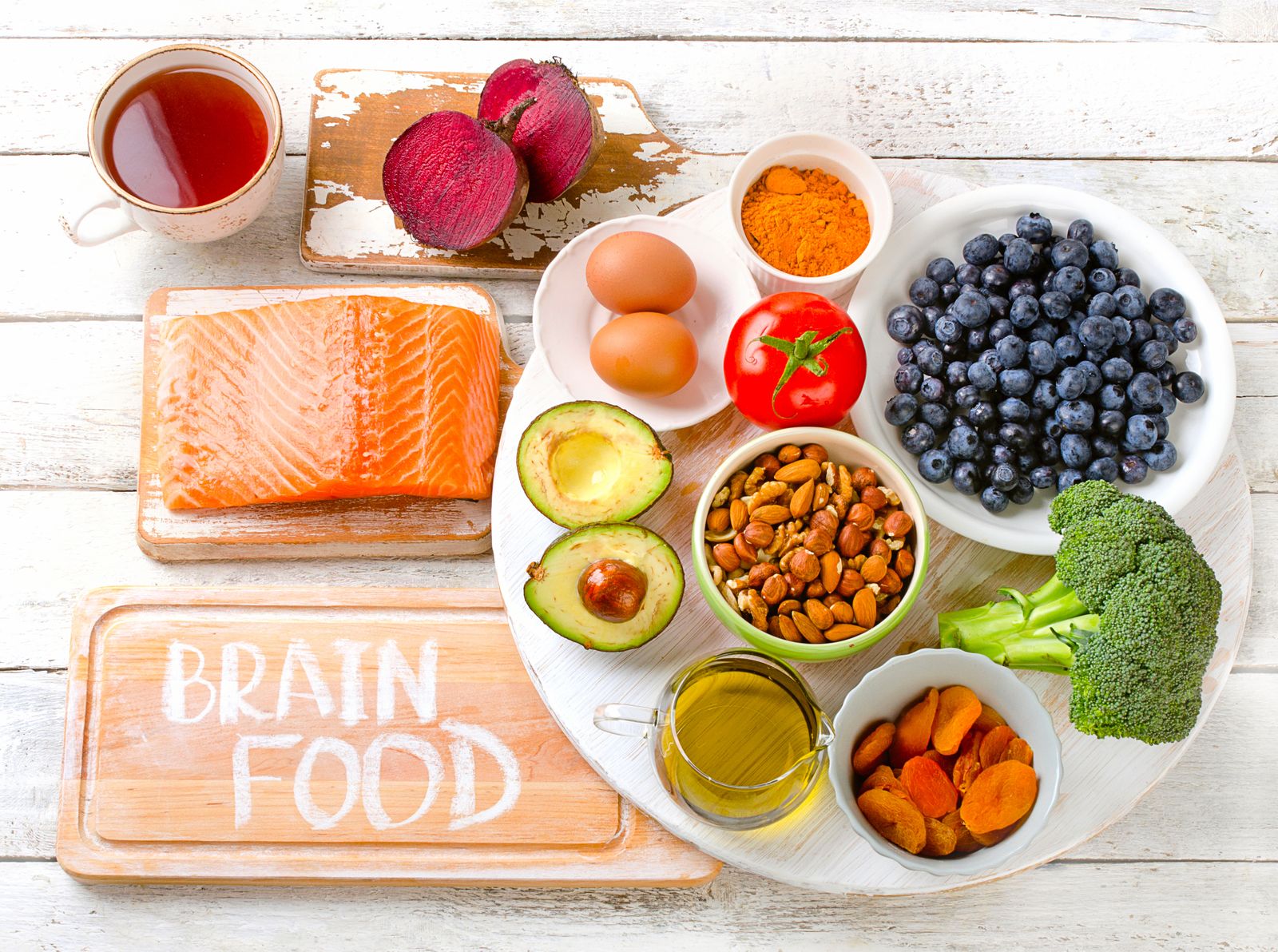
  • Current evidence suggests that heart-healthy diets also protect the brain. Common elements of these diets include limiting intake of sugar and saturated fats, eating significant amounts of fruits, vegetables, and whole grains. The DASH, MIND, and Mediterranean Diets are all popular examples, with minor variations. Dr. Ornish describes the “Whole Food Plant-Based Diet” as “optimal”. 
  • Junk food is addictive and inextricably linked to loneliness and isolation (the real epidemics of our culture).
  • Certain genes make you more likely to develop AD. The most common type of AD usually begins after age 65 (late-onset). The most common risk gene associated with late-onset AD is apolipoprotein E (APOE e4).
  • Information alone is not enough to change behavior. We need to work consistently on a deeper level to support positive change for the long-term.
  • You’re never really changing one thing when you’re asking people to modify their lifestyle. By changing multiple variables simultaneously, the effect is synergistic with exponential benefit (a case of “the whole is greater than the sum of its parts”).
  • Support groups create a safe environment for people to talk about what’s going on in their lives. We are a “touchy-feely” social species. We survive through self-love and by caring for one another. 

This webinar was a good reminder for me on the importance of doing everything that is under my control to possibly prevent getting this and other diseases. Let me know what you think.

If you enjoyed this blog post and want to learn more about wellness, I invite you to sign up for my free wellness newsletter:

I


www.wellnessyogachristine.com

My goal is to inspire you to bring wellness into your own life and to provide you with tools to do so.

Disclaimer: I am not a trained wellness coach, nor a dietician. I am simply sharing tools I have learned on my own wellness journey.

Wellness & Yoga with Christine | JUL 14, 2020

Share this blog post